
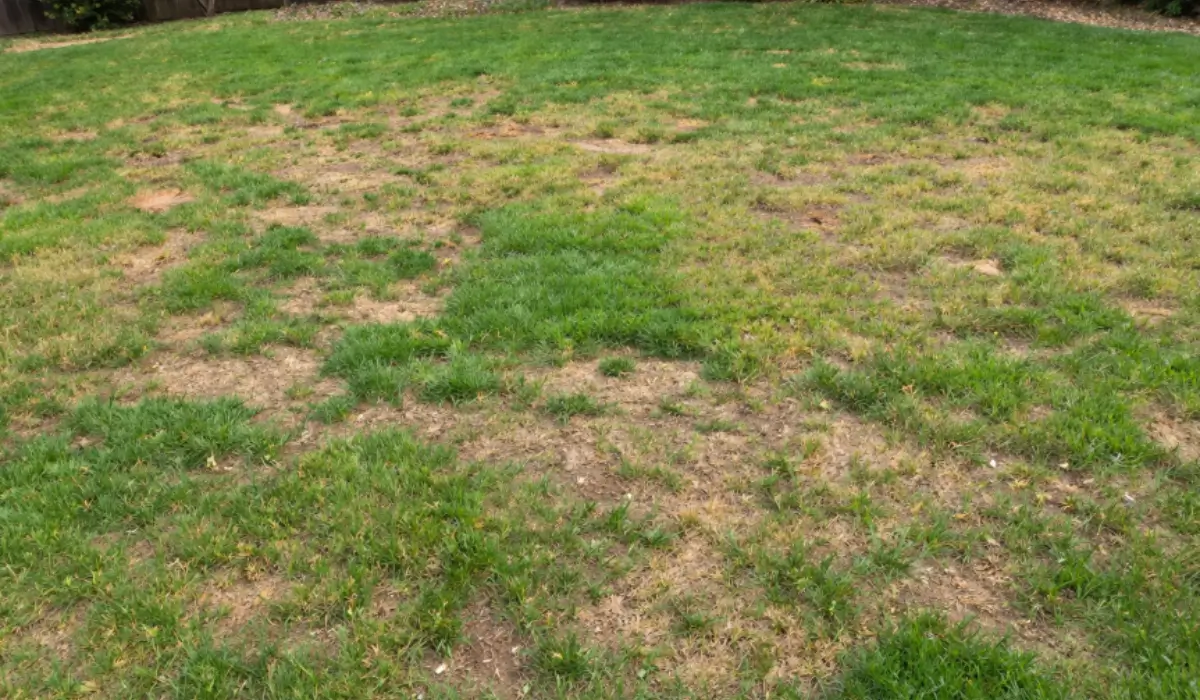
What Causes a Lawn Looking Patchy Before Summer
Bare spots? Uneven color? Mud zones? A lawn looking patchy can be fixed, especially before summer heat makes the problem harder to reverse.
Spring tends to reveal issues that developed quietly over time. This is also the peak season for spring lawn repair, when underlying problems become more visible. In most cases, more than one factor is involved, which explains why simple fixes often fail to last.
Tommy Pollina Landscape has corrected these lawn conditions across Chicago properties since 1982 by fixing soil, turf, and drainage together.
A lawn looks patchy due to compacted soil, worn grass, or drainage problems. The best way to fix patchy lawn areas is to aerate the soil, repair or replace damaged turf, and correct water flow before summer heat adds stress.
Compacted Soil: The Most Common Cause of Patchy Lawns
Heavy use and seasonal pressure compress the soil, reducing the space roots need to grow. Grass struggles to spread, leading to a lawn looking patchy with thin and uneven coverage.
Water often runs off instead of soaking in, leaving roots without consistent moisture. As temperatures rise, these areas weaken even further.
Solution: Aeration + Soil Conditioning
- Core aeration loosens dense soil and restores airflow
- Soil conditioning improves structure and nutrient access
- Early treatment supports stronger root development
Aeration tends to show visible improvement within a few weeks. Consistent results often come from structured care like seasonal lawn maintenance for patchy lawns.
Soil Fix
- Compacted soil restricts root growth
- Aeration improves oxygen and water movement
- Early correction reduces summer stress
Problem #2: Patchy, Worn-Out Grass
Frequent use and aging turf can break down the surface layer, leaving visible bare spots and inconsistent density. This usually points to turf fatigue, though underlying soil conditions may also contribute.
Repeated reseeding without improvement often signals that the surrounding grass cannot support new growth.
Solution: Spot Reseeding or Turf Patch Install
| Condition | Best Fix | Speed |
| Small bare spots | Reseeding | Moderate |
| Moderate wear | Turf patch installation | Faster |
| Large damaged areas | Full turf installation | Immediate |
This comparison makes it easier to choose the right repair approach based on the condition of the lawn.
Latest Posts:
- Are Sprinklers Wasting Water? Signs It’s Time for a Check
- Outdoor Kitchen Lighting and Heating Upgrades for Fall Entertaining
- Thinking of a Patio? Why February Is Prime Time for Hardscape Planning
- Tree Trimming Season: When, Why & Best Time to Trim Trees
- Lawn Looking Patchy? 3 Fixes Before Summer Heat